

Plans for a major solar farm covering around 95 hectares of agricultural land in North Yorkshire are recommended for approval despite concerns from residents about the loss of productive farmland.
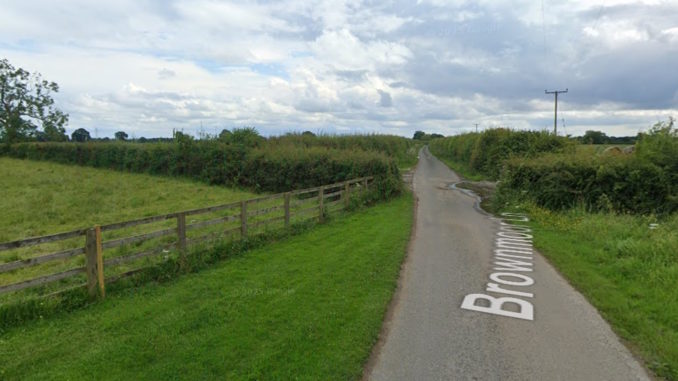
Ampyr Solar Europe is seeking permission to build and operate a 49.9MW solar farm on land at Brownmoor Lane, south-west of Sutton-on-the-Forest.
The development would include ground-mounted solar panels up to three metres high, a 10MW battery energy storage system, a new substation, access tracks, fencing and CCTV.
North Yorkshire Council’s strategic planning committee will consider the application next Tuesday, with planning officers recommending permission is granted.
Nine objections have been received, with concerns including the loss of agricultural land, the impact on a tenant farming business and whether solar panels should instead be installed on brownfield sites and buildings.
Huby Parish Council has also objected, stating: “Solar farms should not be built on arable land but only on brown field sites and existing commercial and domestic roofs.”
Other objectors warned of the potential loss of a farming livelihood, reduced agricultural productivity and the impact of taking productive land out of arable use.
Concerns have also been raised about the effect on the countryside and biodiversity, construction traffic and whether the scheme prioritises commercial interests over food production and the landscape.
However, planning officers concluded the agricultural impact did not justify refusing permission.
A survey found around 95.5 per cent of the site is Grade 3b agricultural land, which is considered of moderate quality and does not fall within the definition of “best and most versatile” farmland.
Around 4.2 hectares, or 4.5 per cent, is Grade 3a and therefore classed as best and most versatile agricultural land.
Officers acknowledged that using this higher-quality land weighs against the development, but concluded the relatively limited amount affected would not justify refusal.
They also highlighted that the development would be temporary and reversible.
Permission is sought for a 50-year operational period, after which the infrastructure would be removed and the land returned to agricultural use.
Although arable production would cease during that period, sheep grazing could continue beneath and between the solar panels.
The council report states that the development’s location is also influenced by the need to be close to a suitable electricity grid connection.
Officers concluded the public benefits of producing renewable energy outweigh the residual harm caused by the development.
They said the proposal would contribute towards energy security and the transition to net zero, while also delivering biodiversity and landscape improvements.
The scheme is recommended for approval, subject to conditions and an agreement securing biodiversity monitoring and off-site highway works.
Be the first to comment