

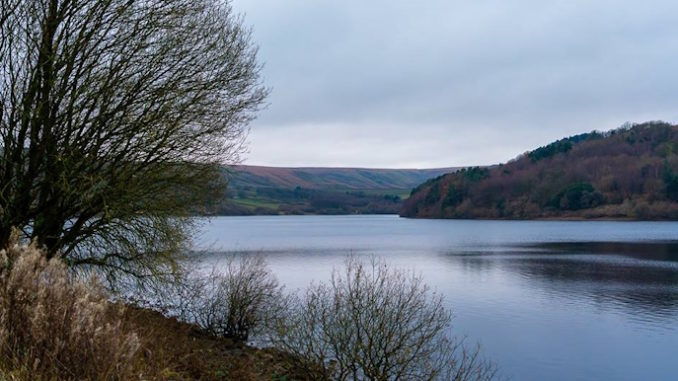
Temporary hosepipe restrictions across Yorkshire have been lifted today after a significant recovery in water resources following the region’s driest spring in 132 years and a record-breaking warm summer.
The ban, introduced on 11 July, is ending after reservoir stocks rose to 91.6%, with Hull aquifer levels at 77%.
Overall, available water resources across reservoirs, rivers and groundwater sources now stand above average for this time of year at 85.1%.
The restrictions followed a steep decline in reservoir levels, which dropped to just 30.6% at their lowest point.
Yorkshire Water says that without the measures in place – including its drought management plan, its grid system to move water around the region, and customer water-saving efforts – stocks could have fallen as low as 17.6%.
Over the course of the restrictions, the company repaired almost 15,000 leaks, employing an additional 100 leakage detectors to speed up repairs by more than a third.
From April to December, a leak was fixed roughly every 25 minutes.
Hosepipe restrictions helped save an estimated 3.1 billion litres of water – equivalent to 69 days of York’s average water usage, 36 days for Hull, 33 days for Sheffield, or 21 days for Leeds.
During the drought, 22 reservoirs fell below 20%, including Scar House, Thruscross, Baitings and Broomhead. Yorkshire Water also implemented 28 drought permits and orders across 26 reservoirs and two rivers, helping retain around 4 billion litres of water.
The highest daily demand of the year was recorded on 20 June 2025, when usage surged to 1.479 billion litres – around 200 million litres above the regional daily average.
Dave Kaye, director of water and wastewater at Yorkshire Water, thanked customers for their cooperation.
“We are incredibly grateful to our customers for their efforts to save water throughout the dry spring and summer, and into the wetter months.
When restrictions were first introduced and the weather was warm, customer usage went down by 10%, taking pressure off our reservoirs. Continuing those water-saving actions when rainfall eventually arrived meant our reservoirs could recover as much as possible. It’s one of the reasons we’re able to end the restrictions earlier than expected.
While restrictions are lifting, it is important people continue to think about their water usage and consider using water wisely throughout the year.”
Customers can now use water as normal, with drought permit activity at the region’s reservoirs and rivers also coming to an end.
However, Yorkshire Water says its long-term work continues, including a planned £38 million investment over the next five years to further reduce leakage, as well as developing new boreholes and storage reservoirs to secure future supply in the face of climate change.
Be the first to comment