
Council leaders say they have not yet received any funding to deliver a nature recovery strategy after being instructed to prepare the plan by the government.
The Local Nature Recovery Strategy was this week signed off by members of North Yorkshire Council’s executive committee after being drawn up by officers.
Every county or combined authority area in England is required to produce a strategy to address the decline of nature and to improve the environment and protect it for the future.
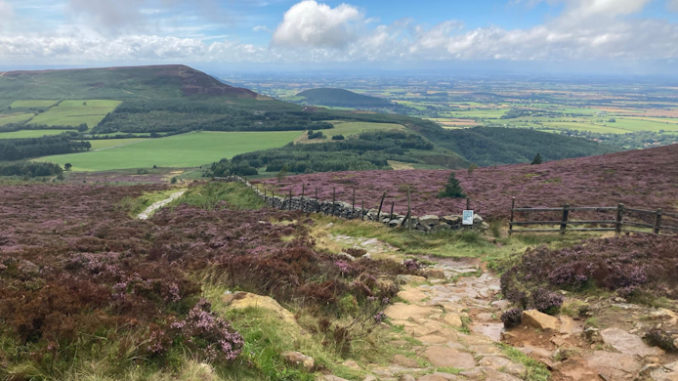
The document identifies priorities for nature recovery, such as increasing woodland cover or creating wetlands.
It maps the most valuable existing areas for nature, and documents specific proposals for creating and improving habitat for nature and wider environmental goals.
North Yorkshire Council’s executive member for managing our environment, Councillor Richard Foster, said: “The Local Nature Recovery Strategy for North Yorkshire and York maps nature in our region and identifies actions to help safeguard it for the future.
“The strategy identifies priorities for North Yorkshire and York to not only help reverse the decline of nature but allow it to flourish for future generations and create a network of nature-rich sites that are bigger, better managed and more joined-up across the county and across the country.”
Cllr Foster confirmed to colleagues that no funding had been provided to deliver the strategy.
Councillor Paul Haslam told the meeting that funding needed to be provided.
He added: It does need the farmers to be involved and they will need support, not just cheering on.
“At the end of the day it also needs longevity. Farmers work on five, ten, 15-year time scales — we can’t just expect them to do this at the drop of a hat.
“I would hope that we could continue to keep pressure on central government to support this, but also use our local resources in terms of the combined authority.”
The report looks at how habitats and landscapes can help to tackle climate change by capturing carbon from the atmosphere, providing protection from natural hazards such as flooding, while also helping to boost people’s physical and mental health and keeping active, attracting visitors and providing a source of employment.
Officials say the government asked North Yorkshire Council and the City of York Council to work together, in partnership with other organisations with an interest in nature recovery, to produce the plan for North Yorkshire and York.
The report establishes 39 priorities, which are spread across the ‘habitat’ or land use categories of farmland, upland, grassland, woodland, water and wetlands, urban and coast.
Each priority has a number of associated measures, which are the practical actions that would help to deliver the aims of the priority.
The deputy director for Natural England in Yorkshire, Paul Duncan, said: “This evidence-based framework sets clear, shared priorities for habitat restoration and creation, guiding the landscape-scale action needed to reverse nature’s decline.
“This approach serves as an example of the partnership working required to address the biodiversity and climate crises. We look forward to working with North Yorkshire and York and partners to turn this strategy into real action, creating bigger, better and more connected habitats where wildlife and people can thrive.”
Following the approval of the strategy by the council’s executive, it will now be shared with the Department for Environment, Food and Rural Affairs.
Read the Local Nature Recovery Strategy for North Yorkshire and York at Local Nature Recovery Strategy | North Yorkshire Council.
Be the first to comment