

Thousands of years of history, from bloody medieval battles to wartime deception and pioneering aviation, are being brought to life on a new walking trail at Sutton Bank.
The five-kilometre heritage trail, called Raiding the Bank, has opened between Sutton Bank National Park Centre and Roulston Scar in the North York Moors National Park.
A series of illustrated information panels tells the story of the famous landmark, revealing how it has been used by communities, soldiers and aviators over thousands of years.
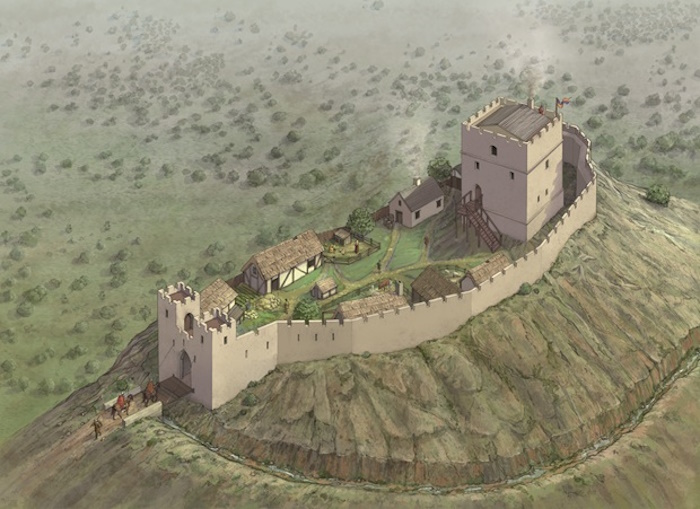
Among the events explored is the Battle of Byland on October 14, 1322, when an English army suffered defeat at the hands of Scottish forces.
The trail also reveals evidence of much earlier activity, including an Iron Age boundary deliberately constructed around a Bronze Age burial mound that was already around 1,000 years old.
During the Second World War, Sutton Bank’s commanding position made it strategically important once again.
Defensive trenches were dug and a dummy airfield was created in an attempt to deceive enemy aircraft.
The trail also explores the history of the Yorkshire Gliding Club, which was founded in 1934 and had connections with pioneering aviator Amy Johnson.
As war approached, concerns emerged that German glider pilots who had previously trained at Sutton Bank might have gained valuable knowledge of the surrounding landscape.
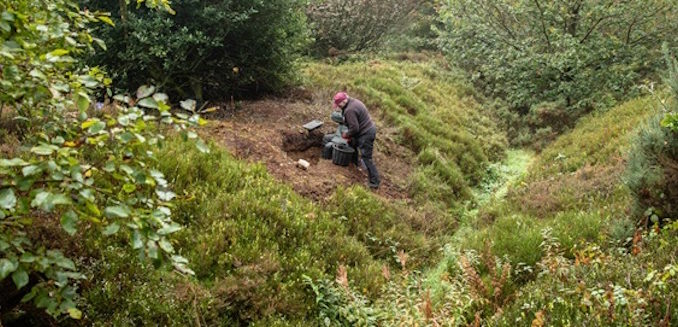
The new trail is the result of a three-year project involving archaeological excavations, surveys, historical research and contributions from volunteers and the local community.
Adam Ditchburn, Interpretation Manager at the North York Moors National Park Authority, said the landmark’s famous views were only part of its significance.
He said: “Sutton Bank is famous for its views, but those sweeping vistas are part of what has made it strategically important throughout history.
“People have lived, fought, defended and explored this landscape for thousands of years, leaving traces that continue to reveal new insights into the past.
“Over the last three years, the Raiding the Bank project has brought together archaeological excavation, survey work, historical research and community involvement to uncover and share more of the area’s hidden heritage.”
The project has also included environmental improvements, with new ponds created to provide valuable habitats for wildlife.
Visitors following the trail can access additional online material, including films, articles and further historical information.
The Raiding the Bank project has been funded by National Grid’s Landscape Enhancement Initiative, with support from volunteers and the local community.
Funding secured through the National Park Authority’s Section 106 agreement with Woodsmith Mine has also supported the creation of seasonal wildlife ponds.
Further information about the trail is available at northyorkmoors.org.uk/raiding-the-bank.
Be the first to comment